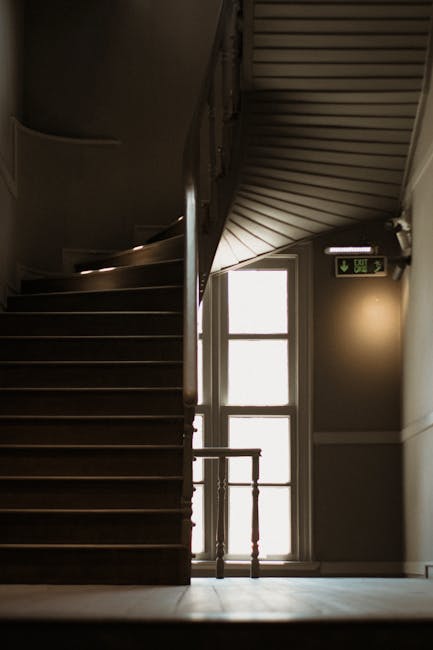
Specialist techniques for narrow-stair moves in Victorian homes
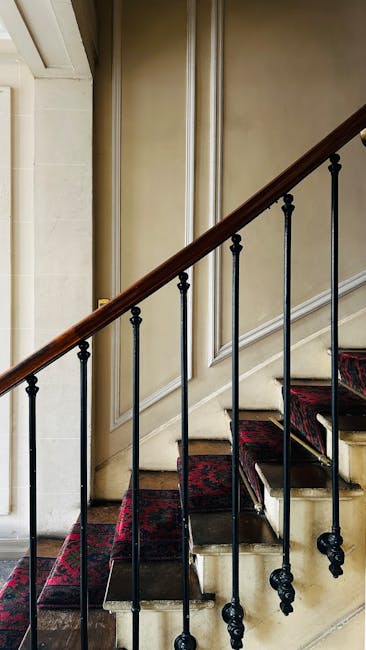
Victorian homes are beautiful, but let's be honest, they can be a nightmare on moving day. Tight turns, shallow landings, narrow stairs, awkward banisters, and walls that seem to lean in just when you need a sofa to behave. If you are planning a move and the staircase looks more like a squeeze than a route, specialist techniques for narrow-stair moves in Victorian homes can make the difference between a smooth day and a lot of unnecessary stress.
This guide explains how specialist movers handle tricky staircases, why the process is different in period properties, and what you can do to reduce risk before anything is lifted. You will also find a clear step-by-step method, common mistakes to avoid, a practical checklist, and answers to the questions people usually ask when they are staring at a cupboard that will not fit around the bend. It is all about moving cleverly, not heroically.
Why Specialist techniques for narrow-stair moves in Victorian homes Matters
Victorian terraces, maisonettes, and converted flats often have staircases that were designed for daily use, not for carrying wardrobes, mattresses, American-style fridges, or three-piece sofas with fixed arms. The geometry is the issue. Stairs are commonly steeper, landings are smaller, and turns can be tighter than in newer properties. Sometimes the problem is not the width alone; it is the combination of narrow width, low ceiling clearance, and a handrail that seems to be in exactly the wrong place.
That is why this kind of move needs specialist handling. In a standard property, a team might simply take the most direct route. In a Victorian house, the job often starts with measurement, route planning, and a decision about whether an item should go up in one piece, be turned vertically, or be dismantled first. The wrong choice can scratch walls, chip plaster, damage the item, or leave people stuck on the landing with nowhere to pivot.
There is also the emotional side. Moving day already comes with enough noise, boxes, and half-finished tea. If a large item will not go up the stairs, the whole day can stall. Specialist techniques reduce that pressure by turning a frustrating unknown into a planned sequence. You may not notice the cleverness if everything goes well, which is usually a good sign.
Expert summary: Narrow-stair moves in Victorian homes are less about strength and more about preparation, angles, protection, timing, and control. When those pieces come together, awkward stairs become manageable rather than impossible.
In our experience, the best outcomes come from treating the staircase as a working space that has to be mapped, not just travelled. That small shift in thinking changes everything.
How Specialist techniques for narrow-stair moves in Victorian homes Works
The process usually begins long before the first box is lifted. A good removal team will look at the stairs, the width of the treads, the landing size, the swing of doors, and the shape of the furniture. They are trying to answer a simple question: can this item move safely in its current form, or does it need to be altered, protected, or routed differently?
Specialist stair moves rely on a few core methods. One is route analysis, which means checking the full path from room to van, not just the staircase itself. Another is item preparation, which includes removing legs, shelving, drawers, handles, or glass where appropriate. A third is protective packing, using blankets, corner guards, and wrapping to prevent knocks in tight spaces. Then comes controlled movement, where the item is tilted, rotated, and guided with steady communication.
The phrase "controlled movement" sounds dry, but it matters. On a narrow stair, small errors get magnified. A cabinet that is one inch out of line at the bottom can be completely wrong by the time it reaches the turn. So specialist teams move in slow, deliberate stages. They will pause, reset, and reposition rather than forcing the issue. That is not being cautious for the sake of it. It is professional common sense.
Sometimes the move also includes a decision to use an alternative route. For example, if a staircase is too tight, the item may be moved through a rear access point, balcony, side entrance, or ground-floor window where feasible and safe. That is not always possible, of course, but experienced movers look for options instead of assuming the stairway is the only way.
For broader move planning, it can help to understand the full service landscape too. A company that handles removal services may be better placed to coordinate packing, loading, and stair access planning as one joined-up job rather than as separate tasks.
Key Benefits and Practical Advantages
Specialist narrow-stair moving techniques are not just about getting the item upstairs. They make the day calmer, safer, and more predictable. That is worth a lot when you are already juggling keys, parking, children, pets, and the small panic of realising the kettle is packed somewhere under "miscellaneous".
- Less risk of damage: Careful angles, protection, and dismantling reduce the chance of scratching walls, denting banisters, or breaking furniture.
- Better use of time: Planning the route properly usually saves time compared with repeated failed attempts.
- Safer for everyone: Narrow stairs are awkward for lifting. A planned approach reduces slips, strains, and sudden movements.
- More items can be moved intact: Some items that seem impossible can be managed with disassembly or vertical manoeuvring.
- Less stress on moving day: A calm, rehearsed process is simply easier to live through.
The practical advantage is often bigger than people expect. A Victorian staircase may look like a nuisance, but specialist handling can preserve original features while still moving modern furniture through them. And yes, preserving the staircase matters. Those old banisters and plastered walls can be surprisingly fragile in places.
Another benefit is decision clarity. Once a mover has measured properly, you are no longer guessing. You know which items can go up as they are, which need dismantling, and which might be better replaced than forced. That can save money, but more importantly, it avoids last-minute chaos.
Who This Is For and When It Makes Sense
This approach makes sense for anyone moving in, out of, or within a Victorian property where stair access is tight. That includes homeowners, tenants, landlords, and people helping relatives move out of older London homes where the staircase was clearly designed in a different century. Truth be told, that is quite a lot of us.
You are probably a good fit for specialist techniques if:
- your staircase has one or more sharp turns
- the landing is too small for a full-size turn
- your furniture has fixed arms, a bulky frame, or a wide footprint
- you own fragile or valuable pieces, such as antique wardrobes or mirrors
- you are moving with limited help and do not want to risk injury
- the property has original features you want to protect
It is also relevant if you are moving into a converted Victorian flat. These can be especially tricky because the stairwell may be shared, narrow, and busy, with less flexibility for holding areas or temporary pauses. In buildings like that, the move needs to be tidy and considerate. Nobody wants to be the person blocking the hall while a sofa slowly says "nope".
If the move is part of a broader local relocation, you may also want to look at home moves for a fuller picture of how furniture, packing, transport, and access planning can be coordinated as one service.
Step-by-Step Guidance
Here is the practical part. The exact method depends on the property and the furniture, but this sequence is a reliable starting point.
- Measure the staircase properly. Measure stair width at the narrowest point, landing depth, ceiling height at turns, and any awkward obstructions such as radiators, light fittings, or handrails.
- Measure the item, not just the item's label. A "three-seater sofa" can mean very different things depending on the arm style and frame depth. Measure all the real dimensions.
- Map the route from room to van. Include doorways, hall corners, internal doors, and any tight turns on the way out. The staircase is only part of the story.
- Decide whether to dismantle. Remove legs, shelves, doors, headboards, handles, or loose parts where safe to do so. Keep fixings together in labelled bags.
- Protect the property. Use furniture blankets, floor protection, and temporary wrapping for corners, banisters, and vulnerable plaster edges.
- Assign roles before lifting. One person should lead, one should guide the front, and one should watch the rear or side. Clear verbal communication helps a lot.
- Move slowly and reset as needed. If the angle is wrong, stop. Reposition. Try again. Fast is rarely smart on a narrow Victorian stair.
- Use the landing as a staging point. Sometimes the landing is where the item is turned, tilted, or rotated into a new position for the next leg of the move.
- Load the van in the right order. Put the bulkiest or most awkward items in first, then build around them. That saves space and keeps fragile pieces safer.
- Do a final check. Look for missing fixings, trapped packing, scuffs on walls, or items left behind in cupboards, lofts, and under stairs.
A helpful detail that people often miss: if you are moving into the property rather than out of it, the order of operations matters even more. It is one thing to get furniture down a stair in a controlled way. It is another to get it up when you are already tired and the item has to be turned at an angle you did not quite appreciate from ground level. The second time. Usually the second time is where the lesson lands.
Expert Tips for Better Results
Small decisions make a big difference with narrow-stair moves. The experienced teams tend to do the same sensible things again and again, because they work.
- Take photos before the move. Pictures of access points, stair bends, and the furniture help with planning and insurance records if needed.
- Remove wall hazards early. Framed pictures, coat hooks, loose shelves, and hallway clutter can get in the way faster than you think.
- Use the right protective materials. Thick blankets are useful, but they need to be positioned properly. Loose wrapping can slip and become more of a nuisance than a help.
- Keep hands and fingers clear. Narrow stair corners are where knocks happen. Gloves can help grip, but finger placement matters more than brute force.
- Check the weather if items must pass outdoors. A wet path, early evening gloom, or a slippery step can quickly complicate an otherwise tidy plan.
- Allow more time than you think. Victorian stairs are not the place to rush. A bit of patience goes a long way, and so does a second cup of tea.
One practical observation from real moves: the item you worry about least is sometimes the one that causes the issue. A light cabinet may be easy to carry, but awkward because it catches on a turn. A heavy wardrobe may actually be more straightforward if it can be tilted cleanly and guided by a disciplined team. Weight matters, yes, but shape matters just as much.
If the move involves delicate items or a household of mixed furniture, a broader service such as packing and unpacking services can take some pressure off, especially where fragile items need extra protection before they meet the stairwell.
Common Mistakes to Avoid
The mistakes are usually predictable. That is the good news. If you know them, you can avoid them.
- Measuring only the doorway. A door may be fine, but the turn immediately after it may be the real problem.
- Assuming the item will "just fit". This one causes a lot of grief. Furniture that appears manageable in an empty room can behave very differently on a staircase.
- Skipping dismantling to save time. Sometimes taking ten minutes to remove legs or doors saves half an hour of wrestling later.
- Not protecting the walls. Victorian plaster and decorative woodwork can mark easily.
- Using too many people without a plan. Extra hands are not automatically helpful if nobody knows who is leading the lift.
- Forcing the angle. If something catches, stop. Forcing it usually makes things worse.
- Ignoring the landing size. The landing is often where the move succeeds or fails.
There is also a mental mistake: assuming the mover should be able to do everything without your input. Good movers bring technique and experience, but they still benefit from your knowledge of the property and the items. You know which cupboard door sticks, which banister is loose, and which chair has a wobbly leg. Share that early.
Tools, Resources and Recommendations
You do not need a huge amount of equipment, but the right tools matter. The best setup is simple, sturdy, and easy to control in tight spaces.
| Tool or resource | Why it helps | Best use in a Victorian narrow-stair move |
|---|---|---|
| Furniture blankets | Protect surfaces from knocks and rubbing | Wrapping wardrobes, sofas, tables, and stair corners |
| Corner protectors | Reduces chipping on walls and door frames | Useful on tight turns and stair mouths |
| Ratchet straps | Helps stabilise items in the van | Securing awkward loads after the stair move |
| Labelled bags for fixings | Keeps screws and fittings together | Dismantled beds, tables, wardrobes, shelving |
| Tape measure | Confirms dimensions before lifting | Measuring stairs, landings, and items accurately |
| Floor protection | Prevents scuffs and reduces slipping | Hallways, landings, and entry points |
For many domestic moves, a flexible vehicle and a capable team matter more than a huge lorry. In tighter residential streets, smaller access solutions can be easier to position and better suited to stop-start loading. If that sounds familiar, it may be worth looking at a man and van service rather than assuming a larger vehicle is always the answer.
It also helps to think about the broader move, not just the stair section. If items need collecting from storage, another property, or a furniture shop, a focused collection service can be useful too. A page like furniture pick up gives a sense of how single-item transport can fit into a wider move plan.
Law, Compliance, Standards, or Best Practice
Most narrow-stair moves in Victorian homes are not about heavy regulation, but they do touch on safety, access, and duty of care. In practical terms, that means the people doing the move should work in a way that protects themselves, the property, and anyone else in the building.
Good practice usually includes risk awareness, proper lifting technique, suitable handling equipment, and a clear plan for items that are too awkward to carry safely in one piece. Where the staircase is shared or the property is part of a managed building, it is sensible to check any local building rules, access arrangements, or management requirements before moving day. That is especially true in converted Victorian flats, where neighbours may need advance notice if hallways or entry points are being used.
Insurance matters too. A reputable removals provider should be able to explain how items are protected in transit and what the process is if something goes wrong. Read the small print. Not glamorous, I know, but worth it.
There is also a health and safety angle. A narrow stair with a bulky item can create trip risks, pinch points, and lifting strain. Teams should avoid overloading individuals, keep communication clear, and stop if an item becomes unstable. If a move feels unsafe, the right answer is to reassess, not to improvise under pressure.
For peace of mind, it is sensible to understand the provider's approach to protection and liability. A page like insurance and safety can help set expectations before moving day, while health and safety policy shows the sort of standards you should expect from a professional operation.
Options, Methods, or Comparison Table
Not every narrow-stair move should be handled the same way. The right method depends on the item, the staircase, the number of movers, and the level of risk. Here is a simple comparison.
| Method | Best for | Pros | Trade-offs |
|---|---|---|---|
| Carry in one piece | Compact furniture with simple shape | Fast, fewer fixings to manage | Can be risky if the item catches on turns |
| Dismantle before moving | Wardrobes, beds, tables, shelving | Easier on tight stairs, safer for walls | Needs time, tools, and careful reassembly |
| Vertical rotation technique | Bulky items with limited width clearance | Can solve awkward angles at landings | Requires experience and good communication |
| Alternative route | Very tight staircases or delicate interiors | May avoid stair damage altogether | Depends on access outside the property |
| Professional full-service move | Complex homes or large furniture loads | Less stress, better coordination | Usually costs more than DIY handling |
The main decision is not which method sounds cleverest. It is which one gives the highest chance of a safe result with the least friction. In a Victorian house, that often means choosing the less dramatic option. A calm dismantle beats a dramatic struggle almost every time.
Case Study or Real-World Example
A typical example: a couple in a Victorian terrace in south London needed to move a large wardrobe into a first-floor bedroom. On paper, the wardrobe looked manageable. In person, the staircase had a tight turn at the bottom, a narrow landing, and a banister that pinched the usable width just enough to matter.
The team measured the wardrobe, removed the doors and shelves, and checked whether the carcass could travel upright. It could, but only after the landing route was cleared and the stairwell was protected with blankets. One mover guided from below, another controlled the top edge, and the third watched the rear corners. They paused twice to re-angle the frame. Not glamorous. Very effective.
What mattered most was that they did not try to rush it. The move took longer than a straight staircase would have, but there was no wall damage, no strained lifting, and no panic on the landing. The wardrobe was reassembled upstairs, levelled properly, and the room was usable the same day. A fairly ordinary win, but the sort that makes a move feel manageable.
That is the real lesson here: specialist techniques are rarely about one dramatic trick. They are usually about several sensible choices stacked together. Measure, protect, dismantle where needed, communicate clearly, and keep the pace steady.
Practical Checklist
Use this checklist before moving day. It keeps the job simple when the property itself is trying very hard not to be.
- Measure the stair width, landing, and ceiling clearance
- Measure all large furniture in full, not just by product description
- Identify items that may need dismantling
- Remove wall art, loose shelves, and hallway clutter
- Protect floors, banisters, corners, and door frames
- Label fixings and small parts in separate bags
- Agree who leads, who guides, and who watches the rear
- Plan an alternative route if the staircase proves too tight
- Check parking, access, and any building restrictions
- Keep water, tape, gloves, and basic tools close to hand
- Leave extra time for pauses, resets, and final checks
Practical takeaway: if you are unsure whether a piece will fit, measure before the day rather than discovering the problem halfway up the stairs. That single habit prevents a surprising amount of stress.
If you want a team that understands awkward access, narrow halls, and older London properties, it is sensible to compare local moving options and choose a provider that talks plainly about planning, protection, and timing. Sometimes that is the whole game.
Get a free quote today and see how much you can save.
Conclusion
Specialist techniques for narrow-stair moves in Victorian homes are really about respect: respect for the property, respect for the furniture, and respect for the fact that old buildings do not behave like modern ones. With the right measurements, the right preparation, and a calm, methodical approach, even a tricky staircase can be handled without drama.
What sounds awkward at first is often perfectly manageable once it has been planned properly. That is the reassuring part. You do not need luck; you need a good process. And in a Victorian home, a good process is worth its weight in lifted wardrobes.
If you are at the stage where the staircase is starting to feel like the main character in the move, take a breath. A thoughtful plan, a steady team, and a few practical adjustments can turn the whole thing around. You may even find the day goes better than expected. Stranger things have happened.
Frequently Asked Questions
How do movers get furniture up a narrow Victorian staircase?
They usually measure the item and staircase first, then decide whether to carry it in one piece, tilt it vertically, or dismantle it. The key is controlled movement, not force.
What furniture is most difficult to move on narrow stairs?
Bulky items with fixed arms, wide frames, or awkward shapes are usually the hardest. Wardrobes, sofas, bed frames, and large mirrors often need the most planning.
Should I dismantle furniture before a Victorian house move?
If the item is large or the stairs are tight, yes, often it helps. Removing legs, doors, shelves, or headboards can make the difference between a safe move and a difficult one.
How do I know if my staircase is too narrow for a sofa?
Measure the narrowest point on the stairs, the landing, and the sofa itself. If the sofa's depth or height creates a tight turn, it may need rotating, disassembly, or a different route.
Can a removal company move items through windows instead of stairs?
Sometimes, yes, if the access is safe and practical. That depends on the property layout, the item size, and whether there is enough external clearance to do it properly.
Are Victorian staircases more fragile during moves?
They can be. Older plaster, painted woodwork, and original banisters may mark more easily than modern finishes, so protection matters a lot.
What should I measure before moving day?
Measure stair width, landing depth, ceiling height at turns, doorways, and the full dimensions of any large furniture. A tape measure saves a lot of guesswork.
Is it worth hiring professionals for a narrow-stair move?
For large, awkward, or valuable items, usually yes. Professionals bring experience, equipment, and a calmer process, which helps reduce damage and stress.
How long does a narrow-stair move usually take?
It depends on the number of items, the property layout, and whether dismantling is needed. Tight Victorian stairs often make the job slower than a standard move, and that is normal.
What are the biggest risks during narrow-stair moves?
The main risks are property damage, slips or strains, and getting an item stuck at a turn or landing. Careful planning and clear communication reduce those risks.
Do I need special packing materials for Victorian house moves?
It helps to have furniture blankets, corner protection, strong tape, and labelled bags for fixings. If you have fragile items, extra wrapping is well worth it.
What is the safest way to move heavy furniture upstairs?
The safest way is usually the one that uses the least force and the most planning. That may mean dismantling the item, using several movers, and taking pauses to reset the angle.
Can a man and van service handle narrow-stair moves?
Yes, if the team has the right experience and equipment. For smaller or moderately awkward loads, a flexible service can be a very good fit, especially in older London homes.